


Dog mange causes intense itching and skin damage that no owner wants to see. The right home remedies can calm irritation and support recovery fast. Knowing what to use and how to apply it helps a dog get relief as soon as possible.
What is Mange in Dogs?
Mange in dogs is a skin condition caused by microscopic mites that live on or under the skin. These mites trigger intense itching, hair loss, redness, and irritation.
Some types spread easily between animals, while others develop when a dog’s immune system weakens. Early signs often include scratching, patchy fur, and inflamed skin.
What are the Best Home Remedies for Dog Mange?

Home remedies can ease itching, reduce irritation, and support skin recovery when used correctly. The most effective options focus on killing mites, calming inflammation, and helping the skin heal.
|
Remedy |
Main Benefit |
How Often to Use |
Best For |
|
Apple cider vinegar |
Balances skin, repels mites |
Daily |
Mild infestations |
|
Coconut oil |
Antimicrobial, moisturizes |
1 to 2 times daily |
Dry, irritated skin |
|
Aloe vera |
Soothes and heals skin |
Twice daily |
Redness and inflammation |
|
Neem oil |
Targets mites |
3 to 4 times weekly |
Active infestations |
|
Oatmeal bath |
Relieves itching |
2 to 3 times weekly |
Severe itching |
|
Honey |
Heals and protects wounds |
Daily |
Localized sores |
|
CBD products |
Supports inflammation control |
Daily |
Overall skin support |

1. Apple Cider Vinegar Rinse
Apple cider vinegar helps balance skin pH and creates an environment that mites struggle to tolerate.
- Mix equal parts apple cider vinegar and water
- Apply with a spray bottle or cloth on affected areas
- Avoid open wounds to prevent stinging
- Use once daily until symptoms improve
2. Coconut Oil Application
Coconut oil contains lauric acid, which has antimicrobial and anti-inflammatory properties. Research published in the Journal of Medicinal Food highlights its ability to reduce harmful microbes on skin.
- Warm a small amount until soft
- Massage directly into affected skin
- Let it absorb for several hours before rinsing if needed
- Apply one to two times daily
3. Aloe Vera Gel
Aloe vera soothes irritated skin and supports healing without harsh chemicals.
- Use pure aloe vera gel only
- Apply a thin layer to red or inflamed areas
- Do not rinse immediately
- Repeat twice daily

4. Neem Oil Treatment
Neem oil contains compounds like azadirachtin that target parasites and reduce inflammation. Veterinary dermatology sources often note its effectiveness against mites.
- Dilute neem oil with a carrier oil such as coconut oil
- Apply lightly to affected areas
- Leave on for several hours
- Use three to four times per week
5. Oatmeal Bath
Oatmeal calms itching and reduces skin irritation. The American Academy of Dermatology supports colloidal oatmeal for relieving inflamed skin.
- Grind plain oats into a fine powder
- Add to warm bath water
- Soak the dog for 10 to 15 minutes
- Pat dry without rubbing
- Repeat two to three times weekly
6. Honey Spot Treatment
Raw honey offers natural antibacterial and wound-healing properties.
- Apply a small amount to affected spots
- Cover lightly if needed to prevent licking
- Leave for 20 to 30 minutes before rinsing
- Use once daily
7. CBD Support for Skin Health
CBD supports skin balance and helps manage inflammation linked to mange. Studies such as one from Frontiers in Veterinary Science highlight CBD’s role in reducing inflammation and discomfort in animals.
A company named HolistaPet produces CBD treats and oils formulated to support canine skin balance and inflammation management.
- Use HolistaPet CBD Dog Treats or CBD Oil for Dogs
- Follow weight based dosing guidelines
- Administer daily for consistent support
- CBD products may be used alongside topical remedies as part of a broader skin-support routine.
How Long Do Dogs Recover from Mange?

Dogs usually recover from mange within two to eight weeks, depending on the type and severity. Mild cases improve faster with consistent care, while severe infestations take longer due to skin damage and immune response.
Sarcoptic mange often clears quicker with proper treatment, while demodectic mange may take more time if linked to underlying health issues. Consistent treatment and early action speed up recovery and prevent complications.
How Do I Prevent Dog Mange from Coming Back?

Preventing mange requires consistent hygiene, strong immunity, and regular skin care. Simple habits reduce the risk of reinfestation and keep a dog’s skin healthy.
- Maintain regular grooming: Brush and bathe to remove dirt, mites, and debris.
- Clean bedding frequently: Wash blankets and sleeping areas weekly to eliminate mites.
- Boost immune health: Provide balanced nutrition and supplements to support skin defense.
- Avoid infected animals: Limit contact with dogs that show signs of mange.
- Use preventive treatments: Apply vet-approved topical or oral parasite control.
- Check skin regularly: Look for early signs like itching or hair loss.
- Keep the environment clean: Disinfect living areas to reduce mite exposure.
When Do I Talk to the Vet for Canine Mange?

Talk to a vet as soon as symptoms worsen, spread, or fail to improve with home care. Mange can progress quickly and lead to infections or severe skin damage without proper treatment.
Seek veterinary care if:
- Intense itching continues: Constant scratching leads to wounds or bleeding.
- Hair loss spreads: Bald patches grow or appear in new areas.
- Skin looks infected: Presence of pus, swelling, foul odor, or crusting.
- Dog shows pain or lethargy: Low energy or signs of discomfort indicate deeper issues.
- Puppy or weak immune system: Higher risk of severe demodectic mange.
A vet can confirm the type of mange through skin scraping and provide targeted treatment such as medicated dips, oral medications, or antibiotics if infection develops. Early intervention prevents complications and speeds up recovery.
Deal With Your Dog’s Mange Right Away
Natural remedies can help manage mange and support skin healing when applied correctly and consistently. Early action, proper care, and timely veterinary support ensure faster recovery and prevent the condition from worsening.
Frequently Asked Questions
Can humans catch mange from dogs?
Yes, humans can catch sarcoptic mange through close contact. It causes temporary itching and skin irritation but usually clears once the dog receives treatment.
Can diet affect a dog’s risk of mange?
Yes, poor nutrition weakens the immune system and increases susceptibility. A balanced diet supports skin health and helps the body resist mites.
Does mange have a smell?
Yes, severe cases often produce a strong, unpleasant odor due to secondary skin infections and buildup of bacteria.
Can indoor dogs get mange?
Yes, indoor dogs can still get mange through contact with infected animals, contaminated items, or weakened immunity.
Is mange painful for dogs?
Yes, mange causes discomfort due to intense itching, inflammation, and skin damage. Severe cases can lead to open sores and infections.
Can grooming tools spread mange?
Yes, shared brushes, towels, or bedding can carry mites and spread infestation between animals.
 CBD Oil for Dogs - Fast Acting
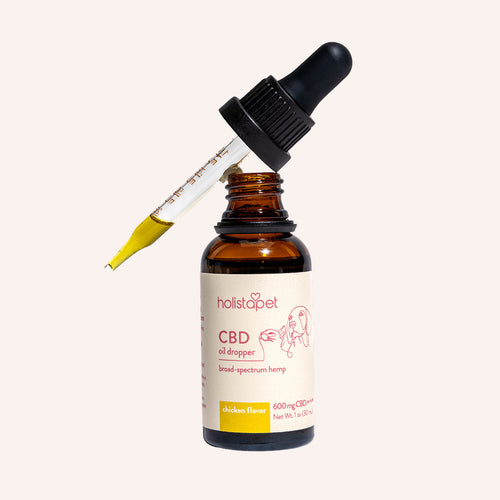 Chicken Flavored CBD Oil For Dogs - Easy Dose
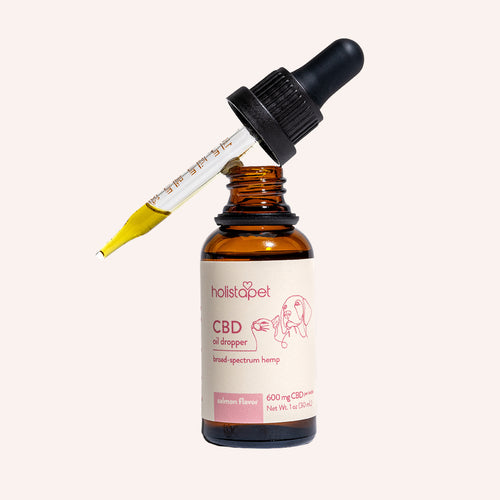 Salmon Flavored CBD Oil For Dogs - Highly Rated
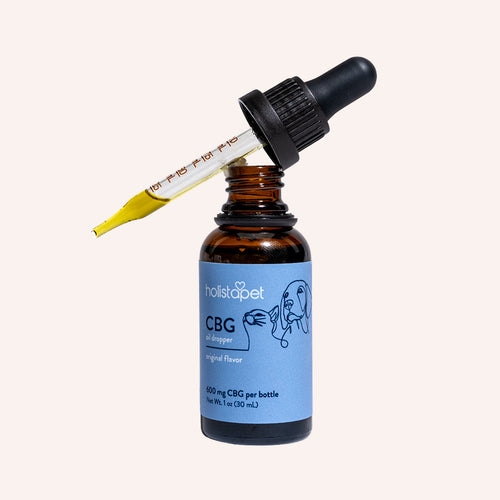 CBG Oil for Dogs and Cats - Loved by Thousands









Leave a comment
All comments are moderated before being published.
This site is protected by hCaptcha and the hCaptcha Privacy Policy and Terms of Service apply.