

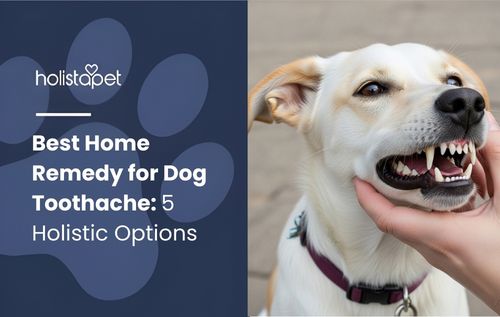
A dog with a toothache may refuse food, drool more than usual, or paw at the mouth. Quick home care can ease the pain and calm gum irritation. Simple holistic remedies such as cold compresses, gentle herbal rinses, and soft soothing foods can help reduce discomfort while supporting dental health.
How Do I Know If My Dog’s Having a Toothache?

Dental pain often shows up through clear behavior changes. A dog with a sore tooth often struggles to chew, avoids hard food, or reacts when someone touches the mouth. Quick attention to these signs helps prevent more serious dental issues.
Common Behavioral Signs
Watch for sudden changes in eating or mood.
-
Refuses food or eats much slower than usual
-
Chews on one side of the mouth
-
Drops kibble while eating
-
Shows irritability or restlessness
- Avoids chew toys or bones
Visible Physical Clues
A quick look inside the mouth can reveal dental discomfort.
-
Red or swollen gums
-
Yellow or brown buildup on teeth
-
Excessive drooling
-
Pawing at the mouth or face
-
Bleeding around the gums
Subtle Signs Owners Often Miss
Some dogs hide pain well, so small clues still matter.
-
Bad breath that smells stronger than usual
-
Lower interest in play or activity
-
Preference for soft food
- Head shaking after chewing
A combination of these signs often signals dental pain. Early care and gentle home remedies can help ease discomfort while preparing for a proper dental check.
Why Do Dogs Experience Toothaches?
Dogs develop toothaches when bacteria, injury, or oral problems affect the teeth or gums. These issues irritate sensitive tissues inside the mouth and create pain during chewing or eating.
-
Periodontal disease: Plaque and tartar buildup inflame the gums and damage tissues that support the teeth.
-
Broken or fractured teeth: Hard chewing, accidents, or fights can crack teeth and expose sensitive inner layers.
-
Tooth root abscess: Bacteria infect the tooth root and form a painful pocket of pus near the jaw.
-
Tooth decay or cavities: Bacteria damage tooth enamel and create painful infections inside the tooth.
-
Foreign objects stuck in the mouth: Bones, sticks, or debris can lodge between teeth and irritate the gums.
-
Misaligned teeth or bite problems: Abnormal pressure on certain teeth can trigger chronic discomfort.
- Teething in puppies can cause temporary gum soreness as adult teeth emerge American Kennel Club: Puppy Teething
What are the Risks of Untreated Tooth Pain in Dogs?
Untreated dental pain can lead to serious health problems. Infection and inflammation inside the mouth can spread and affect other parts of the body.
- Severe gum disease: Ongoing plaque and tartar buildup can inflame gums and damage tooth support, potentially leading to tooth loss AVMA: Canine Dental Health
-
Tooth loss: Advanced infection destroys surrounding tissue and causes teeth to loosen or fall out.
-
Tooth root abscess: Bacteria spread deep into the root and create painful swelling in the jaw or face.
-
Difficulty eating: Oral pain reduces appetite and leads to weight loss or poor nutrition.
-
Jaw bone damage: Chronic infection can erode bone that supports the teeth.
- Systemic infection: Oral bacteria can enter the bloodstream and affect organs such as the heart, liver, and kidneys.
How Can I Help My Dog with Toothaches?
Start with simple steps that reduce discomfort and identify the cause.
1. Inspect the Mouth
A quick check may reveal the source of pain.
-
Look for red or swollen gums
-
Check for broken teeth or heavy tartar
- Notice objects stuck between teeth
Stop if the dog reacts aggressively.
2. Observe Daily Behavior
Changes in routine often signal oral pain.
-
Slower eating or food refusal
-
Chewing on one side
- Pawing at the mouth
These clues confirm dental discomfort.
3. Modify Food Texture
Softer food reduces pressure on painful teeth.
-
Offer soft meals
-
Remove hard treats
- Avoid chew toys
This step helps maintain food intake.
4. Maintain Basic Oral Care
Clean conditions limit bacteria growth.
-
Keep the mouth free of food debris
-
Use dog safe dental products
- Follow a simple dental routine
Good hygiene reduces irritation.
5. Track Symptoms
Consistent monitoring helps detect worsening problems.
-
Check the mouth daily
-
Watch appetite and activity
- Look for swelling around the face
Clear changes signal the need for further care.
Browse All Holistapet Dog Home Remedies Here!
What are Some Helpful Home Remedies for Dog Toothaches?
Several gentle home remedies can reduce gum irritation and ease dental discomfort. These options support oral health while helping a dog stay comfortable at home.
|
Remedy |
Main Benefit |
How It Helps |
Usage Tip |
|
Cold Compress |
Reduces swelling |
Cools inflamed tissue around the jaw |
Apply through cloth for a few minutes |
|
Coconut Oil |
Supports oral hygiene |
Helps control bacteria in the mouth |
Rub gently along gums |
|
Chamomile Tea |
Calms irritated gums |
Natural ant-inflammatory effect |
Dab cooled tea on gums |
|
Soft Foods |
Reduces chewing pain |
Limits pressure on sensitive teeth |
Offer moist meals temporarily |
|
CBD Products |
Supports comfort and calm |
Helps manage stress linked to pain |
Use pet specific formulas |
Cold Compress for Gum Inflammation
Apply cold therapy to reduce jaw and gum swelling, calm irritated tissue, and decrease pain.
-
Wrap ice or a cold pack in a soft cloth
-
Hold it against the outside of the jaw for a few minutes
- Repeat a few times during the day if needed
Avoid direct ice contact with skin.
Coconut Oil for Natural Oral Support
Coconut oil contains natural antibacterial compounds that help control harmful bacteria.
-
Apply a small amount to the gums
-
Gently rub along the gumline
- Add a small amount to food for daily support
This method helps soothe irritated tissue.
Chamomile Tea Rinse for Gum Soothing
Apply cooled chamomile tea to gums to calm inflammation and support healing.
-
Brew chamomile tea and allow it to cool
-
Dip a clean cloth or cotton pad into the tea
- Dab gently along the gumline
Use unsweetened tea only.
Soft Foods to Reduce Chewing Pressure
Feed soft meals to lower chewing pressure and maintain appetite.
-
Plain cooked rice
-
Soft canned dog food
- Mashed pumpkin without additives
Avoid hard kibble or crunchy treats.
CBD for Natural Comfort and Relaxation
CBD may help support calm behavior and reduce discomfort signals. Many pet owners use CBD oils or chews designed for dogs as part of a holistic approach.
-
Choose products made specifically for pets
-
Follow proper dosage based on weight
-
Select high-quality options from trusted pet wellness brands
Some pet wellness companies, such as Holistapet offer CBD formulas created for dogs that support calmness and overall wellness.
How Can I Prevent Toothaches in Dogs?
Consistent dental care prevents most toothaches in dogs. Simple daily habits protect teeth and gums from bacteria and damage.
-
Regular tooth brushing: Removes plaque before it hardens into painful tartar.
-
Dental chews and toys: Help clean teeth through chewing and stimulate the gums.
-
Routine mouth checks: Spot swelling, debris, or damaged teeth early.
-
Balanced nutrition: Supports strong teeth and healthy gum tissue.
-
Avoid very hard chew items: Prevents cracked or fractured teeth.
-
Professional dental exams: Allows vets to detect hidden oral problems early.
- Consistent oral hygiene routine: Maintains a clean mouth and lowers bacterial growth.

When Do I Visit the Vet for Canine Tooth Problems?
A vet visit becomes necessary once dental pain shows clear signs of infection, damage, or ongoing discomfort. Professional care helps identify the cause and prevent the problem from spreading.
Seek immediate veterinary care if serious symptoms appear.
-
Severe swelling around the jaw or face: Often signals infection or a tooth root abscess.
-
Bleeding that does not stop: May indicate gum injury or advanced dental disease.
-
Broken or loose teeth: Exposed tooth structures can cause intense pain and infection.
-
Pus or discharge near the gums: Suggests bacterial infection that requires treatment.
- Strong pain reaction when the mouth gets touched: Indicates severe oral sensitivity or nerve exposure.
Schedule a vet visit soon if symptoms continue for a short period.
-
Refuses food or struggles to chew: Persistent eating difficulty signals ongoing dental pain.
-
Continuous drooling: Oral irritation or infection can increase saliva production.
-
Strong foul breath: Often links to bacterial buildup or gum disease.
- Frequent pawing at the mouth: Shows an attempt to relieve oral discomfort.
Regular dental exams also support prevention.
-
Annual dental checkups: Allow early detection of hidden oral problems.
-
Professional cleaning when needed: Removes hardened tartar that brushing cannot eliminate.
- Gum and tooth evaluations: Help detect inflammation, infection, or structural damage early.
Address dog tooth problems immediately to prevent further discomfort
Dog toothaches can cause serious discomfort, but early action can make a big difference. Simple holistic remedies can help ease pain and support oral health while monitoring symptoms closely.
Consistent dental care and timely veterinary visits remain essential for protecting a dog’s long term dental health.
Frequently Asked Questions
Can a dog toothache heal on its own?
Minor gum irritation may improve with proper oral care and softer food. Persistent pain usually signals infection, tooth damage, or gum disease that requires veterinary treatment.
Can hard chew toys cause tooth pain in dogs?
Yes. Very hard toys such as antlers, bones, or hard nylon chews can crack teeth. A fractured tooth often exposes sensitive inner layers and leads to severe discomfort.
Is bad breath always a sign of dental pain in dogs?
Not always, but strong or worsening odor often indicates bacterial buildup, gum infection, or tooth decay. Persistent bad breath usually requires a dental check.
Can puppies get toothaches during teething?
Yes. Puppies often experience gum soreness when adult teeth push through the gums. Cold chew toys and soft food can help relieve temporary discomfort.
Are human pain medications safe for dog toothaches?
No. Human pain medications such as ibuprofen or acetaminophen can be toxic to dogs and should only be administered under veterinary guidance Pet Poison Helpline: Human Medications
How often should dogs receive professional dental cleaning?
Most dogs benefit from professional dental cleaning once a year. Some breeds with higher dental risk may require more frequent evaluations.
 CBD Oil for Dogs - Fast Acting
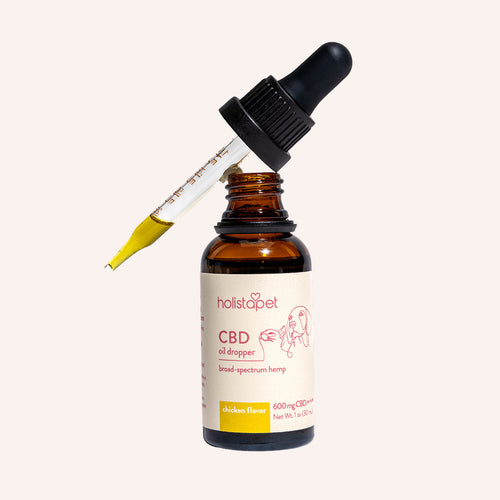 Chicken Flavored CBD Oil For Dogs - Easy Dose
 Salmon Flavored CBD Oil For Dogs - Highly Rated
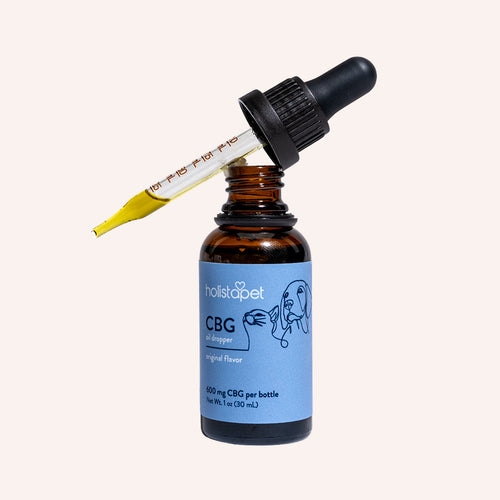 CBG Oil for Dogs and Cats - Loved by Thousands










Leave a comment
All comments are moderated before being published.
This site is protected by hCaptcha and the hCaptcha Privacy Policy and Terms of Service apply.