

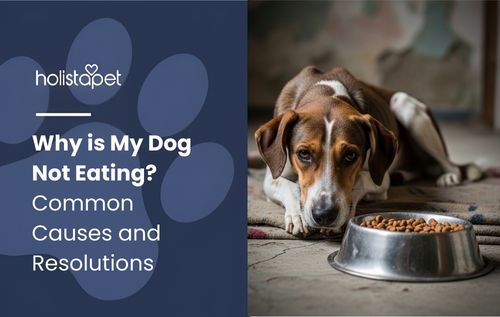
Stress, routine changes, or health issues often cause a dog to lose interest in food. Skipping one meal can happen, but ongoing refusal may signal dental pain, digestive trouble, or illness.
If the dog acts normal, the issue often stays minor and brief. If other symptoms appear or eating stops completely, seek veterinary care.
Why is My Dog Not Eating?
A dog often stops eating due to medical issues or environmental changes that affect appetite, comfort, or overall health.
Medical Related Reasons
-
Dental disease: Broken teeth, loose teeth, or mouth pain make chewing uncomfortable. American Veterinary Medical Association (AVMA) — Dental Health
-
Upset stomach: Digestive issues, acid reflux, allergies, or a sudden diet change can reduce appetite.
-
Underlying illness: Infections, depression, and other health conditions like pancreatitis commonly lower food intake.
-
Bad breath: Oral disease often causes foul odor and pain during meals.
-
Older dog concerns: Senior dogs often lose interest in food as health changes develop.
- Other symptoms: Vomiting, low energy, parasites, or changes in water intake require a call to the veterinarian.

Environmental Reasons
-
Routine changes: Travel, loud sounds, or new surroundings disrupt normal eating patterns.
-
Picky habits: Some dogs (e.g. small breeds) refuse regular meals after eating table scraps or rich treats.
-
Food preferences: A sudden dislike of dry or wet food can follow frequent treats.
-
Multiple pets: Competition around bowls can limit access to meals.
- Stress factors: Anxiety can reduce appetite even when the dog seems otherwise normal.
Related Post: Malnourished Dog: Causes, Symptoms, & Recovery
What Do I Do If My Dog Won’t Eat?
A dog that refuses food often responds to simple adjustments. Careful observation helps identify medical concerns early.
Check Food and Feeding Setup
Start with small changes that support normal eating without force.
-
Offer the usual food instead of switching diets.
-
Place clean food and water bowls in a quiet area.
-
Limit treats and avoid table scraps.
- Serve meals at consistent times each day.
Try Gentle Appetite Boosts
Mild appetite loss can improve with safe, simple steps.
-
Warm dry food slightly to enhance its aroma.
-
Add warm water or low sodium beef broth to meals.
-
Hand feed small portions to encourage interest.
- Mix a small amount of wet food into the regular diet.
Observe Behavior and Symptoms
Watch for signs beyond food refusal.
-
Track food intake and water consumption.
-
Check the mouth for loose teeth, damage, or bad breath.
- Check signs of separation anxiety or sadness
-
Look for vomiting, diarrhea, or unusual behavior.
- Monitor appetite changes that last more than a day.
Know When to Seek Veterinary Guidance
Some situations require prompt medical care.
-
Call the veterinarian if no food intake occurs for over twenty four hours.
-
Seek care if appetite loss comes with pain or low energy.
-
Schedule an exam for puppies, senior dogs, or pets with existing health conditions.
- Try using vitamins and supplements
-
Get immediate help if refusal continues or symptoms worsen.
Avoid Common Mistakes
Certain actions can make the problem worse.
-
Do not force feed (try using treats).
-
Do not replace meals with human food.
-
Do not rely on table scraps to spark interest.
- Do not ignore repeated refusal to eat.
How Do I Increase My Dog’s Appetite?
Small, consistent adjustments often help restore appetite when the issue stays mild and brief.
-
Stick to a regular diet: Serve the usual food on a consistent schedule to reinforce routine.
-
Enhance aroma: Warm the food slightly or add warm water to increase scent and appeal.
-
Add safe flavor boosters: Mix a small amount of wet food or low sodium beef broth into dry kibble.
-
Limit treats: Cut back on snacks and avoid human food that disrupts normal intake.
-
Create a calm space: Keep bowls in a quiet area away from noise and activity.
-
Use positive encouragement: Offer gentle hand feeding to spark interest in meals.
-
Support dental comfort: Check the mouth for signs of pain or dental problems.
- Monitor changes: Track appetite and contact a veterinarian if refusal continues.
When to See a Vet

A dog that refuses food for an extended period or shows warning signs requires prompt veterinary care.
-
No food intake for more than one day
-
Appetite loss with vomiting, diarrhea, or weakness
-
Signs of dental disease such as bad breath or damaged teeth
-
Noticeable weight loss or repeated skipped meals
-
Reduced water intake along with low food consumption
-
Refusal to eat after possible exposure to toxins or spoiled food
-
Behavior changes that suggest a health issue
-
Sudden appetite loss in puppies or senior dogs
- Visible discomfort or signs of pain
Related Post: Understanding Dog Gut Health
Helpful Supplements for Increasing Dog Appetite
Probiotics may support beneficial gut bacteria levels in dogs, which can improve digestion and immune function by supporting a balanced microbiome and reducing gastrointestinal disturbance. (Cornell University College of Veterinary Medicine)
Certain natural supplements and dog treats can make meals more appealing and support overall balance, which may help encourage consistent eating.
|
Product |
Form |
Primary Focus |
Best For |
How to Use |
|
CBD Oil for Dogs |
Liquid |
Daily balance and appetite support |
Dogs that resist food |
Add to food or give orally |
|
CBD Dog Treats |
Soft treats |
Flavor and routine support |
Dogs motivated by treats |
Offer before or with meals |
|
Multivitamin Soft Chews |
Soft chews |
Nutritional balance |
Dogs needing daily support |
Serve once daily |
|
Probiotics Soft Chews |
Soft chews |
Digestive balance |
Dogs with mild digestive sensitivity |
Give daily with meals |
HolistaPet CBD Oil for Dogs
A full spectrum hemp extract oil designed to support calm behavior and overall wellness. It mixes easily with food for simple daily use.
Key ingredients:
Full spectrum extraction preserves naturally occurring terpenes including myrcene and beta-caryophyllene, which research suggests may support calm behavior and comfort in dogs.
- Full spectrum hemp extract.
- Hemp seed oil
How it works:
Supports the endocannabinoid system, which helps regulate normal appetite and daily balance.
Application method:
- Place drops directly into the mouth
- Mix into food before serving
Benefits:
- Easy liquid format
- Simple ingredient profile
- Flexible dosing options
HolistaPet CBD Dog Treats
Soft, flavorful treats infused with hemp extract and functional ingredients that dogs often enjoy.
Key ingredients:
Sourced from non-GMO, USA-grown hemp using CO2 extraction to retain the full terpene profile including linalool and humulene, known for their calming and anti-inflammatory properties.
- Full spectrum hemp extract
- Turmeric
- Hemp seed powder
How it works:
Combines appealing flavor with plant based ingredients that support daily comfort and routine.
Application method:
- Offer as a treat before meals
- Use as a topper reward with food
Benefits:
- Highly palatable
- Convenient chew format
- Easy daily serving
HolistaPet Multivitamin Soft Chews for Dogs
A daily multivitamin chew formulated to support overall nutritional balance.
Key ingredients:
- Essential vitamins
- Trace minerals
- Natural chew base
How it works:
Provides foundational nutrients that support daily vitality and balanced nutrition.
Application method:
- Give recommended number of chews daily
- Serve with meals
Benefits:
- Supports daily wellness
- Soft texture
- Simple once daily use
HolistaPet Probiotics for Dogs Soft Chews
Digestive support chews formulated to promote gut balance and normal digestion.
Key ingredients:
- Probiotic strains
- Natural soft chew base
How it works:
Supports healthy gut flora, which plays a role in digestion and consistent eating patterns.
Application method:
- Give daily as directed
- Pair with regular meals
Benefits:
- Supports digestive balance
- Palatable chew format
- Easy daily addition
Final Thoughts
A dog that refuses food needs attention. Mild appetite changes may improve with simple steps, but ongoing refusal or added symptoms often signal a health concern. Provide immediate attention and maintain consistent feeding routines to prevent appetite issues
For more information on nutrition for dogs click here.
Frequently Asked Questions
Can a dog stop eating due to seasonal changes?
Yes. Extreme heat or cold can affect energy levels and temporarily reduce appetite.
Is it normal for dogs to eat less as they age?
Yes. Slower metabolism in adulthood often lowers calorie needs without indicating illness.
Can vaccinations affect a dog’s appetite?
Yes. Some dogs show short term appetite loss after shots due to a mild immune response.
Does exercise level impact how much a dog eats?
Yes. Less physical activity reduces calorie demands and may decrease food intake.
Can parasites cause a dog to stop eating?
Yes. Intestinal parasites disrupt digestion and nutrient absorption, which can alter appetite.
Should food portion size change if a dog skips meals?
Yes. Proper portion control helps maintain steady eating patterns and prevents overfeeding.
Can anxiety disorders affect appetite long term?
Yes. Ongoing anxiety can suppress hunger and may require behavioral support and veterinary care.
Is it safe to switch dog food brands if appetite drops?
No. Sudden changes can worsen digestive issues. Gradual transitions support better tolerance.
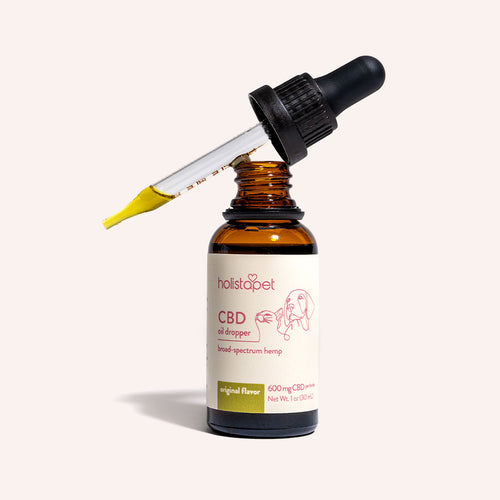 CBD Oil for Dogs - Fast Acting
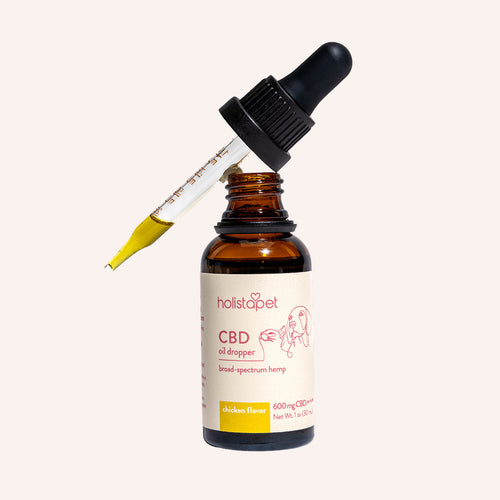 Chicken Flavored CBD Oil For Dogs - Easy Dose
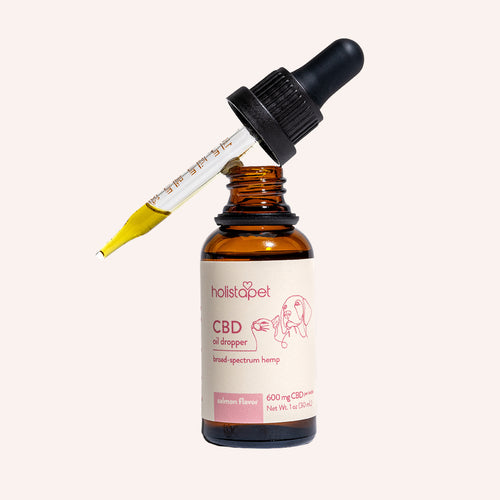 Salmon Flavored CBD Oil For Dogs - Highly Rated
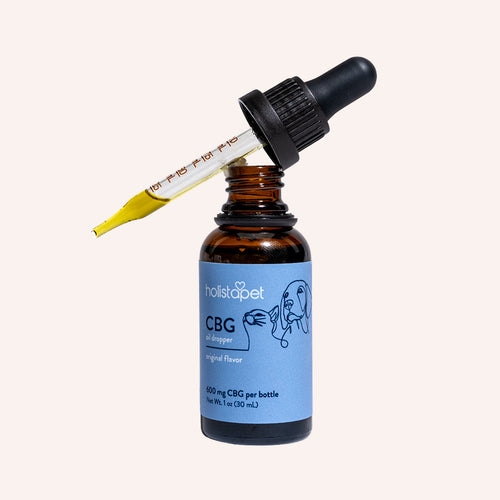 CBG Oil for Dogs and Cats - Loved by Thousands









Leave a comment
All comments are moderated before being published.
This site is protected by hCaptcha and the hCaptcha Privacy Policy and Terms of Service apply.