

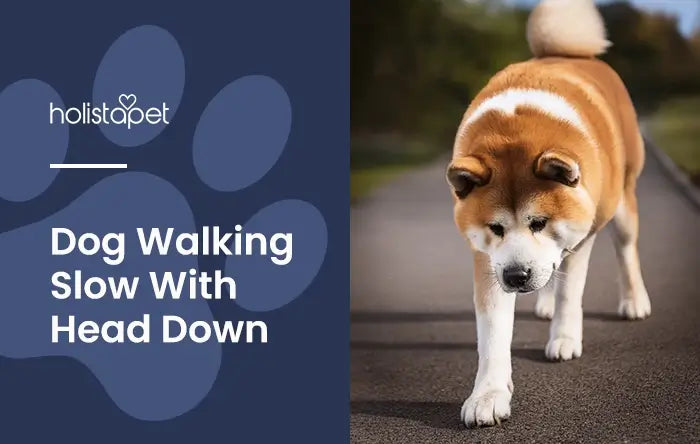
Many pet parents feel a jolt of worry the moment they think, “My dog is walking slowly with their head down.” A slower pace may mean that something in your pup's world feels off.
Dogs tend to show discomfort or nervous behaviors through body language long before anything else. So, any change in movement requires attention, even in minor cases. But don't worry, early detection paired with a friendly attitude can help your buddy get back to their usual pace with confidence.
Why Is My Dog Walking Slowly With Their Head Down?

A dog walking slowly with their head low often shows discomfort or nervous feelings. Your pet might adjust their pace because their body feels tense or tired. Some pups move at their own pace when something in their environment feels wrong. Others react to loud noises or sudden changes in routine. A lowered head often signals that your pooch needs calm support and gentle guidance.
Is This Behavior Normal or a Sign of a Problem?
The answer depends on how your dog acts in the moment. On warm days or after long strolls, some pets may adapt a slower walking speed. Mild changes like this usually fade fast.
A bigger concern is when a dog unexpectedly dials back their pace or lowers their head. That shift can point toward discomfort or an underlying health issue. In cases of a sudden slowdown or stiff movement, see a veterinarian immediately.
Common Causes for a Dog Walking Slow With Head Down
A dog's movement can change for many reasons. Below are common reasons many canines change their walking routine:
- Muscle Soreness or General Discomfort
- Upset Stomach or Fatigue
- Emotional Stress or Nervousness
- Neck, Back, or Joint Sensitivity
- Senior Mobility Decline
- Recovery After Heavy Exercise
Muscle Soreness or General Discomfort
When their muscles feel tight, dogs may dip their heads to help ease the tension. Even active canines reduce their pace after a tough play session. You may notice shorter steps, laggier movement, or pauses during a walk. Many pets recover with proper rest.
Upset Stomach or Fatigue
An upset belly can drain energy fast. The lowered head usually shows how worn out your pup feels. Even small queasiness shifts their normal pace.
Pups also slow down when their body runs low on fuel, especially after long outings or bursts of excitement. If your dog suddenly trails behind or moves with less spark, gentle rest can help them reset.
Emotional Stress or Nervousness
Loud sounds, new environments, or big changes can shake a canine's confidence fast. The slower pace shows how unsure they feel in that moment. Some anxious dogs cling closer to you, move with caution, or scan their surroundings. A calm tone, steady routine, and softer environment can help pets feel safe again.
Neck, Back, or Joint Sensitivity
Dogs lower their head to protect sensitive spots. Even minor stiffness can make each step feel harder. You might notice your dog taking shorter strides or moving unsteadily. Seniors show these signs more often, but younger pups can feel it too after rough play. If your pet moves more slowly each day or shows other symptoms, a vet visit can rule out possible medical conditions.
Related Post: Dog Neck Pain: Causes, Symptoms, & Home Care
Senior Mobility Decline
As dogs age, they often move at a slower pace because their body needs extra time to warm up. A lowered head can match the stiffness that builds after rest. You may also see slower steps, careful turns, or hesitation on long paths. Senior dogs like to adjust their movement to stay comfortable, especially during cooler mornings. Gentle movement, mental stimulation, and regular check-ups help many older pups stay active.
Recovery After Heavy Exercise
Long runs, fast play, or rough wrestling with other dogs can drain energy fast. The lowered head shows how tired their muscles feel. Many pets pause more often, shorten their stride, or lag behind after a demanding day. This slow pace usually fades once the body recovers. A calm cooldown, fresh water, and lighter activity can help your pooch return to normal.
Behavioral Reasons Dogs Walk Slowly
Loud noises, strange scents, or sudden shifts can throw off a dog's rhythm and lead to slow movement. Some pets stall when their day looks different or their walking route feels unfamiliar. Others react to overstimulation or emotional triggers that shake their confidence. A calm approach can help them find comfort and return to a steady walking pace.
Physical Conditions That Affect Movement and Posture
Swelling, stiffness, or tenderness in the body affects balance and stride. These shifts often stand out during a normal walk. Some dogs shorten their steps or keep their head low to shield sensitive areas. Others show muscle tension that changes how they hold their body. Any sudden change or added symptoms can mean your buddy needs a vet visit to check for potential health conditions.
Symptoms to Watch For Alongside Slower Walking

A dog walking at a slower pace often shows other signs that help explain the change. These clues give a clearer picture of what your pooch feels in the moment:
- Limping. A noticeable hitch in their step shows uneven movement.
- Reluctance To Move. Your dog pauses or refuses to continue.
- Low Appetite. Stomach troubles or low energy may affect interest in food.
- Shaking. Agitation or discomfort can cause trembling.
- Avoiding Stairs. Climbing feels tougher when the body feels tense.
- Difficulty Standing. Slow rising points to stiffness or soreness.
When You Should Contact a Veterinarian
Sharp cries, stiff movement, or signs of collapse show something serious. These shifts often appear quickly and shouldn’t wait. Some dogs struggle to lift their head or lose energy in minutes. Others show trembling or refuse to move at all. Any sudden change in your dog's behavior paired with strong discomfort deserves immediate care from a veterinarian.
How to Help a Dog Walking Slow With Head Down
A gentle approach can help your dog feel safer when their walking speed changes. For example, give them space, offer comfort, and keep walks short. Check their body for any signs of soreness and adjust their routine if needed. Many pups usually bounce back with enough rest and steady reassurance.
Give Your Dog a Calm, Quiet Space
A quiet space can help dogs relax without pressure, giving their bodies time to reset. Choose an area away from loud sounds or fast activity. Soft lighting and familiar items add comfort. Many pups rest more deeply when they feel safe, and that break often helps them move with more confidence.
Let Them Rest and Avoid Overactivity
A lowered head often means dogs feel tired or tense, and pushing them harder only adds stress. Rest gives their muscles time to settle. Keep play light and shorten long outings for a day or two. Most dogs feel better once their energy levels rise again.
Check for Signs of Soreness
Checking their neck, back, and legs gently can help you notice where your dog reacts. Run your hand along their body and watch for flinching or stiffness. Some dogs shift away or tense up when an area feels tender. Early attention helps you decide if they simply need rest or if a vet should take a closer look.
Use Warmth or Soft Bedding for Comfort
Warmth helps loosen tight muscles. Place a warm (not hot) cloth over tense spots or offer a plush bed that cushions their joints. Many dogs settle quickly with these simple touches. Comfort at home often encourages easier movement.
Encourage Gentle Movement Only if Comfortable
Light movement helps some dogs regain confidence, but only if their body feels ready. Short strolls in quiet areas work best. Watch your buddy's posture and stop if they hesitate. Most dogs feel better with small, calm sessions that let them stretch without strain.
Provide Mental and Physical Stimulation If Emotional Stress Is Suspected
Before offering games or puzzles, make sure there are no injuries or soreness first. Short sniff walks, puzzle toys, and calm training can keep your dog's mind busy without extra strain. These activities help anxious pups feel grounded. Many relax once their attention moves toward something fun and familiar.
Can CBD Help Dogs Who Move Slowly or Lower Their Head?
CBD supports the body’s natural balance, and many canines respond well to it. To offer gentle support, it interacts with receptors in the body that influence mood and movement. Here's what CBD can do:
- Nervous or Upset Behaviors. CBD encourages a calmer mindset, so dogs feel more at ease.
- Muscle Tension. Helps the body relax, which may improve walking pace.
- Stress-Related Posture Changes. Supports steadier, more confident movement.
- General Comfort. Eases daily strain so dogs move more naturally.
HolistaPet CBD for Dogs
HolistaPet CBD for Dogs offers broad-spectrum hemp support with no THC. With simple, pet-friendly ingredients, these options fit easily into any wellness routine. Each product aims to support calmness, comfort, and smoother mobility. Plus, dogs enjoy the natural flavors! Choose from our:
- CBD Oil for Dogs. Comes in strengths from 150mg to 3000mg with Original, Chicken, or Salmon flavors. The dropper makes dosing simple, and the formula uses broad-spectrum CBD and hemp seed oil.
- CBD Treats for Anxiety. Features chamomile and L-Theanine in green apple and peanut butter flavors. Each treat is pre-dosed (150mg, 300mg, 600mg strengths) for easy feeding.
- CBD Calming Chews. Soft chews with chamomile and L-Tryptophan in a tasty peanut butter flavor. Available in multiple strengths (150mg, 300mg, 600mg) for flexible support.
Can Joint Supplements Help With Slow Walking?

Joint supplements promote comfort, flexibility, and long-term mobility. These formulas offer steady daily support that keeps movement smoother over time. Ingredients like glucosamine, MSM, and chondroitin give joints the reinforcement they need. Canines of all ages benefit from these additions, especially those dealing with stiffness or reduced mobility. With a consistent routine, many dogs feel more confident in each step.
HolistaPet Joint Supplements for Dogs
HolistaPet offers joint-supporting products designed to help pups move with ease. Each option focuses on flexibility, mobility, and daily comfort. Natural ingredients work together to support smoother movement. Choose from our:
- Joint Support Soft Chews. Made with chondroitin, MSM, curcuminoid, and turmeric. These vegan chews support nimble joints and come in a 30-count bag.
- CBD Dog Treats + Joint & Mobility Care. Pumpkin spice and cinnamon treats with joint-supporting ingredients and CBD.
- CBD Mobility Chews for Dogs. Soft chews with broad-spectrum CBD in smoky pumpkin, apple, and cinnamon flavors. Available in multiple strengths.
Preventing Future Mobility Issues
Small habits help protect your dog’s movement long-term. Simple strategies like these make each day easier on their body:
- Weight Control. Reduces joint pressure during daily walks.
- Proper Exercise. Supports steady muscle strength.
- Warm-Ups. Helps loosen stiff areas before activity.
- Safe Flooring. Gives better traction for sensitive paws.
- Supportive Harnesses. Offers stability during outings.
- Stress Management. Keeps emotional tension from affecting posture.
Slow Walking in Senior Dogs

Older dogs often shift into a slower pace because their body changes with age. Some senior dogs take shorter steps or warm up slowly at the start of a walk. Routine mobility support helps them stay active without overworking their joints. A steady schedule, soft bedding, and light exercise can help boost their comfort during daily walks.
Final Thoughts on Dogs Walking Slow With Head Down
Spotting the reason behind a slow walking pace helps your pup feel better faster. A lowered head, shorter stride, or sudden shift in movement deserves your attention, so you can support them with care that fits their needs.
Comfort-focused help, CBD options, and joint support from HolistaPet often bring dogs back to a smoother stride. Small steps create big improvements!









Leave a comment
All comments are moderated before being published.
This site is protected by hCaptcha and the hCaptcha Privacy Policy and Terms of Service apply.