

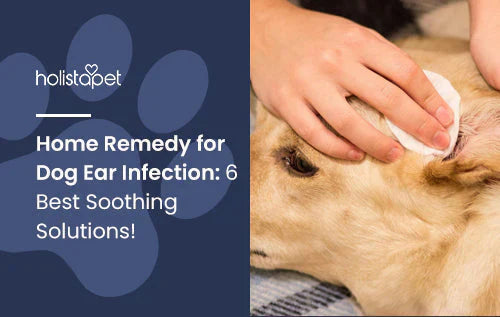
Ear irritation in dogs is often noticeable through behaviors such as scratching, head shaking, whining, or an unusual odor. For more practical dog home remedy guides, our resource library covers a wide range of supportive care topics. These signs may indicate inflammation or discomfort in the ear canal. While ear issues can be distressing for pets, early care and proper veterinary evaluation can help support better outcomes.
What is a Dog Ear Infection?

A dog ear infection occurs when microorganisms such as bacteria, yeast, or parasites affect the ear canal. This condition may involve the outer, middle, or inner ear and is often associated with inflammation.
Common signs may include:
-
Discharge from the ear
-
Unpleasant odor
-
Redness or swelling
-
Frequent scratching or head shaking
Because ear symptoms can have multiple causes, a veterinary diagnosis is important before starting any treatment.
Read More: Probiotics For Dogs
Types of Ear Infections in Dogs

Different types of organisms may contribute to ear problems in dogs. The most common include:
Yeast-related conditions
Yeast naturally exists in the ear, but overgrowth may lead to irritation and discomfort. Learn more about managing a yeast infection in dogs and what supportive care may look like under veterinary guidance.
Bacterial infections
Certain bacteria may contribute to inflammation in the ear canal. Moist environments can increase the risk of bacterial growth. If bacteria are suspected, reviewing dog staph infection home remedies may offer additional supportive context.
Ear mite infestations
Ear mites are tiny parasites that live in the ear canal and may cause intense itching and irritation. Dogs may respond by scratching excessively, which can further irritate the area.
What Contributes to Ear Problems in Dogs?
Several factors may increase the likelihood of ear discomfort or infection:
-
Ear structure
Dogs have L-shaped ear canals, which may trap moisture and debris more easily, especially in breeds with floppy ears.
-
Moisture buildup
Water or humidity in the ear may create an environment where microorganisms can grow more easily. Drying ears after swimming or bathing may help reduce risk.
-
Wax and debris buildup
Excess wax or debris may contribute to irritation. Regular but gentle ear maintenance may help support ear hygiene.
-
Over-cleaning
Cleaning too frequently or too aggressively may disrupt the ear’s natural balance. Earwax plays a protective role, so balance is important.
Recognizing Possible Symptoms

Early signs of ear discomfort in dogs may include:
-
Head shaking
-
Scratching or pawing at ears
-
Redness or swelling
-
Odor from the ear
-
Discharge
-
Sensitivity or pain when touched
-
Balance changes (in more severe cases)
If these symptoms appear, veterinary evaluation is recommended.
Prevention Tips for Dog Ear Health

While ear infections may not always be preventable, the following steps may help reduce risk:
-
Gently dry ears after bathing or swimming
-
Keep ear areas clean from visible debris
-
Use mild, dog-safe shampoos
-
Avoid letting water remain inside the ears
-
Support overall immune health through proper nutrition the AKC: How to Boost Your Dog's Immune System offers practical guidance on this topic.
Preventive care may help reduce irritation and support ear comfort.
Natural At-Home Support Options for Ear Discomfort
The following options may provide gentle supportive care while waiting for or alongside veterinary advice. These are not substitutes for professional treatment.
Diluted Apple Cider Vinegar
A diluted mixture of apple cider vinegar and water is sometimes used to help maintain outer ear cleanliness. However, it should only be applied carefully to the outer ear and never used on inflamed, painful, or damaged ears.
Pau D'arco
Pau d’arco is a natural herb sometimes used in traditional care routines. It may offer supportive properties, but its effectiveness may vary depending on the underlying cause of ear discomfort.
Olive Oil
Olive oil may help soften debris and may provide temporary soothing support for mild irritation. It should be used cautiously and only for minor outer-ear cleaning support, not as a treatment for infection.
Warm Compress
A warm compress applied gently to the outer ear may help soothe discomfort and support circulation. This may provide temporary relief for mild irritation.
Gentle Grooming

Trimming excess hair around the ear may help improve airflow and reduce moisture buildup. This should be done carefully, and professional grooming may be preferred for uncooperative pets.
Nutritional Support
Omega fatty acids and vitamins such as Vitamin C may help support general immune and skin health, as outlined by VCA: Immune System Overview in Dogs. A daily dog multivitamin or probiotics for dog gut health may contribute to overall ear wellness when included in a balanced diet.
Veterinary consultation is strongly recommended before introducing any new supplement, especially when a pet is showing signs of ear irritation or infection.
Final Thoughts
Ear discomfort in dogs may range from mild irritation to more serious conditions requiring veterinary care. Supportive home care approaches may help improve comfort in mild cases, but they should not replace proper diagnosis and treatment.
If symptoms persist or worsen, consulting a veterinarian is essential to identify the underlying cause and ensure appropriate care. Early intervention may help support better recovery and reduce complications.
FAQs
What is the best home support for dog ear infection?
Mild ear discomfort may sometimes be supported with gentle cleaning using diluted solutions such as apple cider vinegar and water. However, veterinary evaluation is important, especially if symptoms include pain, odor, or discharge.
Can I manage a dog ear infection at home?
Minor irritation may sometimes improve with careful cleaning and monitoring. However, ear infections often require veterinary diagnosis to determine the correct treatment approach.
Is apple cider vinegar safe for a dog's ears?
When properly diluted, apple cider vinegar may help support outer ear cleanliness. It should never be used on broken or inflamed skin, and veterinary guidance is recommended.
Can coconut oil help ear discomfort in dogs?
Coconut oil may help soften debris and provide mild soothing support. However, it should not be used as a primary treatment for infections and should be used cautiously.







Leave a comment
All comments are moderated before being published.
This site is protected by hCaptcha and the hCaptcha Privacy Policy and Terms of Service apply.