

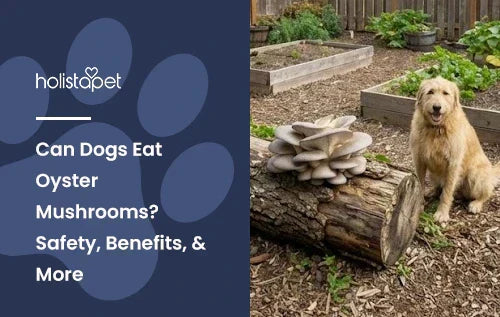
Keen noses love kitchen smells, which leads many pet owners to ask, "Can dogs eat oyster mushrooms without risk? These light, tender, fan-shaped fungi often land on plates, counters, and curious snouts. Usually, dogs eat mushrooms during mealtimes, snack sessions, or quick floor cleanups.
Many types stay gentle when cooked plain. Meanwhile, it's the wild mushrooms that carry serious danger. Knowing the difference can keep everything safe and stress-free. Let's discuss some simple rules that can help you prep smart.
Can Dogs Consume Oyster Mushrooms Safely?

Yes, dogs can eat oyster mushrooms safely as long as they're prepared with care. Plain cooked servings given in small amounts are ideal for the canine system. It's always better that dogs eat cooked mushrooms than raw ones, as the heat during cooking can aid digestion.
Grocery store options are safer than wild varieties. Supervision is always important, especially during outings where pups can encounter wild mushrooms. Toxicity can immediately follow ingestion, so be careful.
A few bites fit best, never full servings or daily feeding. Watch for vomiting or tummy troubles after feeding. Stop at the first sign of trouble and contact a qualified professional, like a veterinarian, for proper guidance.
When Oyster Mushrooms Are NOT Safe for Dogs
Raw mushrooms are tough on the system and are harder to process. Mushrooms cooked with garlic, onion, butter, oil, salt, or seasoning can also create trouble. These extras can irritate the canine gut and cause vomiting or intense salivation.
Wild mushrooms bring the greatest danger. Many wild species look similar to safe fungi but carry toxic substances. Some types are extremely toxic and can cause seizures or even liver failure. If a dog eats wild mushrooms by accident, contact a vet immediately for help.
Are Oyster Mushrooms Good for Dogs?
Oyster mushrooms are rich in fiber that helps food move through the gut. These mushrooms also provide B vitamins that support daily energy use. Antioxidants and beta-glucans are present, too.
The potential health benefits are low and not essential, though. A dog's diet still needs complete nutrition built specifically for canine needs. Mushrooms should never replace meat, bones, or balanced dog food options. Owners can view oyster mushrooms as a light, delicious extra, not a requirement.
For broader nutritional guidance beyond occasional treats, pet owners can explore our resources on feeding your dog.
How to Safely Prepare Oyster Mushrooms for Dogs

Start with fresh grocery store mushrooms. Clean them well to remove dirt or residue. Cook them fully with no extras.
Also, avoid mixing the mushrooms into full meals right away. Offer them alone first, in small portions, so you can observe your dog's reaction better. This approach can help you adjust servings accordingly. Keep the process calm and consistent each time for the best results.
Fully Cooked Only
Fully cooked oyster mushrooms work best for dogs. Cooking softens the texture and helps with digestion. Steaming or lightly cooking keeps the mushrooms plain and gentle. In general, dogs eat cooked mushrooms more comfortably than raw ones. Raw mushrooms are tough and may upset the tummy.
Keep the cooking method simple. Use water or steam only. Skip oil, butter, or broth during prep. Let the mushrooms cool before serving. Small, soft pieces are better for reducing irritation after eating.
A balanced diet that includes a quality dog vitamin supplement may provide more consistent nutritional support than relying on occasional mushroom treats.
No Seasonings or Additives
To be safe for dogs, oyster mushrooms must stay plain. Seasonings can change how the canine system reacts to food. Salt, butter, sauces, and spices add unnecessary risk. Garlic and onions pose serious danger, too.
So, keep ingredients limited to one item only. Simple food helps reduce irritation and keeps digestion steady. With clean preparation, feeding time can stay calm, predictable, and easy to manage.
Cut Into Small, Bite-Sized Pieces
Cutting the mushrooms into small pieces can help dogs eat them safely. Large chunks can increase choking risk, especially for fast eaters. Tiny pieces feel easier to chew and swallow overall. Smaller cuts also help the tummy digest food more smoothly. Sizing matters for every dog, big or small.
Tiny servings let owners manage portions better. They also make it easier to stop feeding if trouble appears. A careful cut supports digestion and keeps mushroom snack time low-risk for pups.
How Much Oyster Mushroom Can a Dog Eat?
Oyster mushrooms should stay in snack territory only. Small pups can handle one or two tiny pieces at most. Medium dogs can have a few soft bites. Large breeds may eat a small handful, but never more. Proper serving sizes help keep a dog's diet balanced.
These fresh mushrooms should appear occasionally, not on a regular basis. Daily feeding can add unnecessary risk and offers no extra benefit. Always watch how your dog reacts after eating. Stop feeding if vomiting or stomach troubles appear.
Treats and supplemental foods should always be adjusted based on a dog's size, activity level, and overall diet, especially when feeding dogs that require high calorie dog food.
How To Tell If A Dog Is Not Adjusting Well To Mushrooms?
Changes in behavior often appear soon after a dog eats mushrooms. Some pups show tummy troubles within hours. Others act uncomfortable or restless after eating. Paying attention right after feeding helps owners notice issues early.
Watch eating habits and bathroom patterns closely. Loose stool, reduced appetite, or repeated licking of lips can signal trouble. Too much salivation may also appear. Stop feeding mushrooms at the first sign of discomfort. A veterinarian can guide your next steps and help protect your buddy's health.
Possible Side Effects of Oyster Mushrooms in Dogs
Gas, diarrhea, and vomiting may appear within a few hours for some dogs. These signs suggest the digestive system feels irritated. Stop feeding mushrooms right away if these symptoms appear. Monitor your dog closely during the next mealtime to see changes quickly and respond with care.
Rare allergic reactions can also occur in some pups. Itching, swelling, or lethargy may follow even small amounts. Excessive salivation or repeated pawing at the mouth can also raise concern. Contact a vet if such symptoms worsen or continue.
Supporting digestive balance with a dog probiotic supplement may help maintain overall gut health as part of a veterinarian-approved wellness routine.
What Mushrooms Are Most Beneficial for Dogs?

Functional or medicinal mushrooms stand out as the most researched options for canines. They focus on specific wellness roles rather than casual feeding. Many mushrooms of this type often appear in dog-focused wellness products. Each one offers targeted support when used properly:
- Reishi supports immune balance and helps dogs stay calm during nervous moments.
- Turkey Tail supports gut health and overall immune system function in dogs.
- Lion’s Mane supports dogs' brain health, focus, and cognitive function.
- Chaga provides antioxidant support to help protect cells in the canine body.
- Maitake supports immune function, healthy metabolism, and balanced blood sugar.
- Shiitake supports immune health and offers antioxidant support for overall canine wellness.
Functional Mushroom Supplements for Dogs
Functional mushroom products are a safer choice than feeding whole mushrooms. These options use measured amounts, which helps keep portions steady. Dogs can take consistent doses without uneven bites. Vet-informed formulas also guide how the ingredients work together. This structure lowers the risk tied to toxic mushrooms found in the wild.
Another benefit comes from controlled sourcing and preparation. There is no confusion between safe and highly toxic species. Each serving stays predictable and easy to track. Humans gain peace of mind while supporting their dogs' health and wellness.
Some pet owners also pair mushroom-based wellness products with CBD oil tinctures for dogs or broad spectrum dog treats as part of a comprehensive daily wellness plan.
HolistaPet Functional Mushrooms for Dogs
HolistaPet Functional Mushrooms for Dogs offer daily wellness support in a simple format. Each soft chew delivers a carefully selected blend of functional mushrooms. Pups can safely enjoy one small, heart-shaped chew each day. The formula supports immune health, digestion, and overall wellness. Many owners appreciate the easy routine and clean ingredient focus.
Each piece contains a 700mg proprietary blend of Lion’s Mane, Maitake, Reishi, Shiitake, and Turkey Tail. The recipe uses vegan, non-GMO ingredients with no gluten or dairy. Every pack includes 30 soft chews and undergoes third-party testing for quality.
HolistaPet Mushrooms for Dogs
HolistaPet Mushrooms for Dogs support daily wellness with a clean, simple approach. The formula focuses on immune and antioxidant support without fillers or harsh additives. Dogs enjoy the natural flavor, which makes daily use feel like a treat. Owners value the calm consistency this product offers.
Each chew contains a 350mg proprietary blend of Lion’s Mane, Maitake, Reishi, Shiitake, and Turkey Tail. Added ingredients include vitamin C, astragalus, colostrum, DHA, EPA, and astaxanthin from algae. The recipe is vegan, non-GMO, gluten-free, and dairy-free. Each bag includes 30 chews.
Why HolistaPet Mushroom Products Are a Smart Choice

HolistaPet mushroom products are specifically made for dogs, not humans. Each formula reflects canine needs and daily routines. Clear sourcing standards guide ingredient selection from start to finish. Pet owners know exactly what goes into every chew. This transparency builds trust and confidence.
The products also remove prep work and guesswork. There is no washing, cutting, or cooking required. Each chew fits easily into daily feeding without mess. Consistent quality and simple use help support canine health while keeping life easy for busy households.
Should You Give Your Dog Oyster Mushrooms or Supplements?
Fresh oyster mushrooms can work as an occasional treat when cooked plain and served in small amounts. They add variety and mild nutrients without much effort. Dogs take them best when portions stay low and infrequent. Remember, fresh mushrooms require careful prep and close observation after feeding.
Functional mushroom supplements offer more consistency and clarity. Each serving delivers researched ingredients in measured amounts. There is no confusion about species or preparation. Supplements support health in a steady way, while fresh mushrooms remain a light, rare extra rather than a daily choice.
When to Talk to Your Vet
Some dogs need extra care before trying mushrooms or supplements. Pups with allergies or sensitive stomachs may react faster to new food. Changes in meals can trigger vomiting or stomach troubles. A vet can review their diet and flag possible risks early. This step supports steady routines and safer feeding choices.
Contact a veterinarian if any symptoms appear after your dog eats mushrooms. Excessive salivation, diarrhea, or unusual behavior deserve attention. Quick guidance helps limit risk and supports better health. A vet should also review plans before adding functional mushroom products to daily meals.
Final Thoughts: Could Dogs Eat Oyster Mushrooms?
Yes, dogs can eat fresh oyster mushrooms when they are plain, fully cooked, and served in moderation. They should never appear raw, seasoned, or mixed with oils or salt. Wild mushrooms are totally off limits due to toxic risk.
Functional mushroom supplements offer a safer and more reliable option for regular support. They provide measured portions and researched blends made just for canines. HolistaPet products give pet parents an easy way to care for their dogs' health. With the right approach, mushroom choices can stay simple, safe, and supportive for everyday care.
Owners looking for other healthy snack ideas may also enjoy reading about our are sweet potato dog treats and other canine-friendly foods.






Leave a comment
All comments are moderated before being published.
This site is protected by hCaptcha and the hCaptcha Privacy Policy and Terms of Service apply.