


Dinner time often sparks one big thought for pet parents: Can dogs eat portobello mushrooms without trouble? The correct answer matters because the rich scent, bold taste, and hearty texture can feel tempting to share.
Portobello (also referred to as "portabello" or "portabella") mushrooms also contain B vitamins, which owners find interesting. Curious if your pup can have one? Let's look at some clear guidance that can help keep every snack time safe and stress-free.
Can Dogs Consume Portobello Mushrooms Safely?

Plain, cooked portobello can be safe for dogs when served in small amounts. When buying, stick to those sold for human consumption. Avoid any wild mushroom varieties. Portobello shares traits with button mushrooms and baby bella types that stores sell.
Proper preparation is crucial to safety. For example, cooking breaks down tough fibers, which helps digestion. Serve plain pieces only—no oil, salt, or seasonings added.
Moderation is also important. Mushrooms should support curiosity, not crowd out a balanced diet. Small portions can suit canines of all sizes and keep their responses easy to observe. Start slow and watch reactions closely after each serving time at home.
When Portobello Mushrooms Are NOT Safe for Dogs
Raw mushrooms are tough to digest and often upset the stomach. Seasoned ones can also cause trouble because garlic, onion, butter, and oils do not suit dogs. Even small amounts of these add-ons can lead to irritation and unwanted reactions.
Wild varieties create the biggest danger and should never be near a dog’s bowl. Many mushrooms growing outdoors sprout near decaying wood and look similar to store varieties. Some carry toxins that can harm canines quickly and seriously.
Owners should avoid guessing or testing unfamiliar options. Stick only to mushrooms meant for safe consumption and prepared plainly. These clear boundaries can keep your furry companion safe, preventing scary mistakes during outings.
Are Portobello Mushrooms Healthy for Dogs?
Portabello mushrooms contain fiber, antioxidants, and B vitamins that support basic body functions. Mushrooms meant for human use also provide minerals that can help with everyday processes. Even so, pups should already receive these nutrients from high-quality dog food options made specifically for their needs.
Fresh portabella mushrooms work best as a rare add-on. So, they should stay in the treat lane and never take center stage. A balanced diet should already cover what your pet needs to thrive. Too many extras can crowd their bowl and upset their routine. Always focus on consistency and quality meals first.
How to Safely Prepare Portobello Mushrooms for Dogs

Safe prep starts with keeping things plain and simple at home. Portobello should always come from mushrooms sold for human use. Rinse them well to remove dirt, then cook them fully before serving. Cooking softens the texture and tones down the intense flavor, which helps pups handle them better. Raw pieces are tough and can cause stomach troubles for some dogs.
Follow a few clear prep rules before sharing any bites:
- Use plain portobello mushrooms only. Plain servings avoid hidden risks found in mixed or flavored foods. Stuffed, pre-marinated, or pre-seasoned options often include ingredients that dogs should not eat. Fresh, plain mushrooms give owners full control over preparation. This step removes guesswork and lowers the chance of irritation.
- Skip oil, butter, salt, and seasonings. Added fats and seasonings place extra strain on a dog’s digestive system. Salt can lead to thirst and imbalance, while butter and oils may trigger loose stool. Spices often include ingredients that canines cannot process well. Plain servings keep snack time light and easier on the stomach.
- Cook using steam or a dry pan. Steaming and dry pan cooking soften mushrooms without adding fats. These methods break down tough fibers that dogs struggle to digest. They also preserve the mushroom’s simple structure without altering it. Gentle cooking keeps the texture safe and manageable.
- Let mushrooms cool fully before serving in bite-sized pieces. Hot food can burn a dog’s mouth and cause stress around eating. Cooling mushrooms fully protects sensitive mouths. Cutting them into small pieces lowers choking risk and supports easier chewing. Proper sizing helps pups eat slowly and comfortably.
Remember to treat fresh mushrooms as a small extra, not a topping or mix-in. They work best as an occasional treat, not a mealtime regular.
Fully Cooked
Fully cooked portobello mushrooms work best, as heating softens their structure. Cooking helps break down fibers that dogs often struggle to process. Steaming keeps each piece gentle and easy to chew. A dry sauté also works, as long as the pan is free from oil. This method turns the intense flavor into a milder one, making it more manageable for pets.
Stick to these simple cooking methods every time:
- Steam until soft
- Dry sauté without oil
- Cool fully before serving
Never serve raw mushrooms, even in tiny bites. Remember, cooked servings feel easier on canine digestion.
No Salt, Butter, Spices, or Sauces
Plain mushrooms matter more than many people think. Add-ons like salt, butter, and spices can place extra strain on a dog’s system. Sauces often include garlic or onion, which canines should never eat. Even small amounts can cause stomach troubles and lingering irritation. Portobello should taste boring to humans and safe to dogs.
Keep preparation simple and clean every time by remembering:
- No salt or seasoning
- No butter or cooking fats
- No sauces or marinades
Plain pieces protect furry companions from unwanted reactions. Pets benefit most from food that stays close to its natural state. This kind of simplicity keeps every snack time worry-free.
Cut Into Small, Bite-Sized Pieces
Small pieces help dogs handle mushrooms with ease. Large chunks can pose a choking risk and feel harder to chew. Cutting servings into bite-sized pieces supports safer eating and smoother digestion. This step is important for dogs of all sizes, from tiny pups to large breeds. Even soft, cooked mushrooms can slide down too fast when left whole.
Use a knife to slice the mushrooms into thin strips, then dice them smaller. Aim for pieces no bigger than a pea for small dogs. Medium and large pups still benefit from modest portions. Watch closely during the first few bites to know if the size is just right.
How Much Portobello Mushroom Can a Dog Eat?
Tiny dogs do best with one or two small pieces at most. Medium pups can handle a few extra bites, while large breeds may eat several pieces. Portions should stay light, as mushrooms simply add variety, not nutritional balance. Treat-style feeding keeps meals steady and predictable.
Too much can lead to stomach troubles like gas or loose stool. Watch for changes in energy, appetite, or bathroom habits after feeding. Stop offering mushrooms if any warning signs appear. Always space treats out and avoid repeat servings in one day. Slow and steady portions help pups enjoy new flavors without discomfort.
How To Tell If A Dog Is Not Adjusting Well To Mushrooms?
Some dogs show signs quickly when mushrooms do not sit right. Changes often appear within a few hours after eating. Watch for shifts in behavior, energy, or bathroom habits. A dog may seem less interested in food or act restless. These signals suggest the body needs a break from mushrooms.
Pay close attention after the first serving. Keep meals simple on that day and avoid adding other new foods. Write down what and how much your dog ate to spot patterns.
Stop offering mushrooms at the first sign of trouble. Careful observation can help your pooch stay comfortable and keep their snack choices easy to manage.
Possible Side Effects of Mushrooms in Dogs
Some dogs react poorly to mushrooms, even when served plain and cooked. Gas, loose stool, and upset stomach can appear after eating. These signs often show within the same day. A dog may also seem sluggish or less playful than usual.
Allergic reactions are rare but still possible. Watch for itching, swelling, or changes in breathing. Stop feeding mushrooms right away if any reaction appears. Contact a vet for guidance when symptoms linger or feel severe.
Owners should trust their instincts and act fast. Quick response helps pets stay comfortable and protected.
What Mushrooms Are Most Beneficial for Dogs?

Some varieties offer more targeted support for dogs than portobello mushrooms. These functional types receive more research focus for canine wellness. They appear in pet-specific formulas rather than kitchen scraps. Functional options work best when used with care and intention.
Here are several types often discussed for dogs:
- Reishi supports immune balance and helps pets stay calm during nervous or upset moments. This variety often appears in routines for pups that struggle with agitation or negative thoughts. Reishi works gently and suits daily use in measured amounts. Many owners choose it for their pets that react strongly to changes in routine or environment.
- Turkey Tail supports gut balance and overall immune function. A healthy gut plays a major role in how canines absorb nutrients and maintain energy. Turkey Tail contains natural compounds that support digestion and immune response together. This makes it a popular option for pets needing steady internal support.
- Lion’s Mane supports brain health, focus, and cognitive function. This type often appears in formulas for senior dogs or those needing mental sharpness. Lion’s Mane supports clear thinking and alert behavior over time. Many owners use it to support learning, focus, and awareness.
- Chaga provides antioxidant support to help protect cells. Antioxidants help the body handle everyday wear from the environment. Chaga works as a protective option rather than a stimulant. This one often appears in blends focused on long-term wellness support.
- Maitake supports immune function, healthy metabolism, and balanced blood sugar. This variety helps the body use nutrients efficiently. Maitake works well in daily routines for pups needing metabolic balance. Its gentle nature suits consistent use in measured formats.
- Shiitake supports immune health and offers antioxidant support. It also contains natural compounds that assist cellular protection. This mushroom works best as part of a blend rather than alone. Pet-specific formulas help deliver its benefits safely and evenly.
Important note: These mushrooms work best through products made for dogs, not through whole mushrooms from the kitchen.
Functional Mushroom Supplements for Dogs
Functional mushroom wellness products give dogs a safer and more reliable option than whole mushrooms. These products use measured dosing, which helps owners avoid guesswork. The vet-informed formulations also focus on canine needs, not human trends. This approach removes the risk tied to toxic species found outdoors.
These wellness products stand out for clear reasons:
- Precise amounts in every serving
- Blends designed for dogs, not people
- No exposure to wild or harmful mushrooms
Many formulas include Lion’s Mane, Maitake, Reishi, Shiitake, and Turkey Tail. These offer focused support without kitchen prep. Pet parents gain peace of mind, and furry companions receive steady care in an easy format.
HolistaPet Functional Mushrooms for Dogs

HolistaPet Functional Mushrooms for Dogs offer a simple way to support daily wellness. These soft chews provide broad immune support in one small, heart-shaped bite. Each chew contains a 700mg proprietary blend of Lion’s Mane, Maitake, Reishi, Shiitake, and Turkey Tail. This blend supports digestion, immune balance, and overall wellness for furry companions. One chew per day fits easily into any routine.
These chews use carefully selected functional mushrooms made for dogs. The formula is vegan, non-GMO, gluten-free, and dairy-free. Third-party testing adds another layer of trust for pet parents. No prep or measuring keeps things easy at home. Simple ingredients and steady dosing help cherished pets feel their best every single day.
HolistaPet Mushrooms for Dogs
HolistaPet Mushrooms for Dogs focus on daily wellness support with a gentle, easy format. These soft chews combine functional mushrooms with added immune-support ingredients. Each chew includes a 350mg blend of Lion’s Mane, Maitake, Reishi, Shiitake, and Turkey Tail. The formula also features vitamin C, astragalus, colostrum, DHA, EPA, and algae-derived astaxanthin. This mix supports immune balance and antioxidant support for beloved pets.
The chews use clean ingredients with no fillers or harsh additives. The recipe is vegan, non-GMO, gluten-free, and dairy-free. Owners can add one chew to the daily routine without prep or mess. This option works well for pets needing steady immune and antioxidant support. Simple dosing helps pups stay comfortable and supported.
Why HolistaPet Mushroom Products Are a Smart Choice
At HolistaPet, we design products specifically for dogs, not people. Our pet-specific formulations match canine needs and avoid confusion. Each product uses transparent sourcing and clear quality standards. This focus helps owners feel confident about what goes into each meal. Trusted testing adds another layer of comfort.
These products remove hassle from daily routines. No prep, no cooking, and no measuring = time saved. The clean formulas avoid fillers and unnecessary extras. Pets receive steady support without surprises. HolistaPet has earned trust in natural pet wellness by keeping things simple, consistent, and dog-focused from start to finish.
Should You Give Your Dog Portobello Mushrooms or Supplements?
Portobello mushrooms can work as an occasional treat when cooked plain and served in small pieces. They add variety and spark interest for furry friends. Their benefits are limited, and portions must remain small. Pet parents should view fresh mushrooms as a rare snack, not a routine addition.
Functional mushroom wellness products offer steady and predictable support. These products provide measured dosing and blends made for dogs. Supplements avoid the risks tied to preparation errors or toxic species. Many owners choose supplements for daily support and save portobello mushrooms for special moments only.
When to Talk to Your Vet
Some pups need extra guidance before trying mushrooms or wellness products. Those with allergies, sensitive stomachs, or ongoing health conditions benefit from a quick vet check first. A veterinarian can review their diet, size, and history to guide safe choices. This step helps owners feel confident and informed.
Talk to a vet before adding any new wellness product to your dog's wellness plan. Reach out right away if your pup shows warning signs like stomach troubles, itching, or behavior changes after eating mushrooms. Early advice and clear communication can support your long-term care decisions and keep your furry friend comfortable.
Final Thoughts: Is It Okay for Dogs to Eat Portobello Mushrooms?
Yes, dogs can eat portobello mushrooms—as long as they are plain, fully cooked, and served in moderation. They should never appear raw, seasoned, or mixed with sauces. Wild mushrooms growing near decaying wood should stay off-limits at all times. Remember, fresh portobello mushrooms work best as an occasional treat, not a routine food choice. Always keep portions small and preparation simple.
Functional mushroom wellness products offer a safer and more consistent option for dogs. These products provide measured dosing and blends designed just for pets.
Good news: HolistaPet delivers dog-specific mushroom support with clean ingredients and easy formats. This route removes guesswork and adds peace of mind. Smart choices help furry friends enjoy variety while staying comfortable, happy, and supported every day.
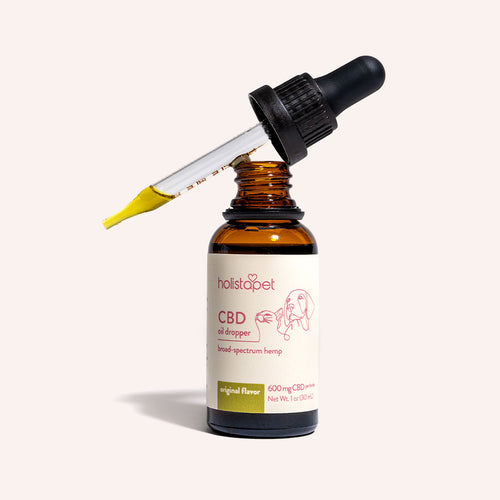 CBD Oil for Dogs - Fast Acting
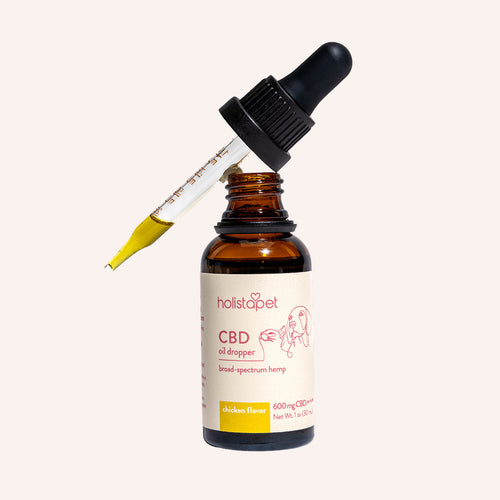 Chicken Flavored CBD Oil For Dogs - Easy Dose
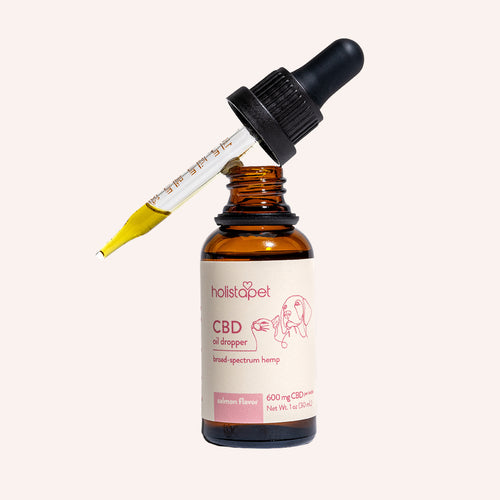 Salmon Flavored CBD Oil For Dogs - Highly Rated
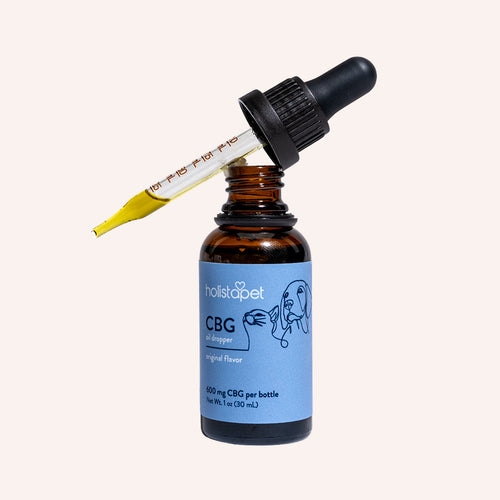 CBG Oil for Dogs and Cats - Loved by Thousands









Leave a comment
All comments are moderated before being published.
This site is protected by hCaptcha and the hCaptcha Privacy Policy and Terms of Service apply.